"It has been blessed by thousands of sunrises, sunsets, windstorms, and rainstorms. When we use clay in our cosmetics, we are mixing the energy of thousands of years and using it as a beauty aid."
~Rosemary Gladstar, Recipes for Vibrant Health
Cosmetic clays are a foundation for natural beauty. If they are empowered with the energy of earth, I want them on my skin. I want to infuse myself, inside and out, with the power of nature through millennia. Clays are most popularly known as a main ingredient in face masks, but can also be found in deodorants, cosmetics, hair masks, exfoliators, and more. Creating your own face mask at home can be done with few ingredients and be whipped up quickly.

Cosmetic clays are mined from mineral deposits on or just below the Earth’s surface. Each clay is classified by its mineral content and these minerals determine how each variety gets its color. All clays detoxify the skin and remove impurities. They work through a mechanism of action called the Cation Exchange. The minerals of the clay are negatively charged. This allows for the removal of toxins, chemicals, and bacteria from the skin. Then, in exchange, the clay leaves behind minerals such as calcium, sodium, potassium, and iron.

The main types of cosmetic clays are bentonite, French green clay, Rhassoul clay, and white (Kaolin) clay.
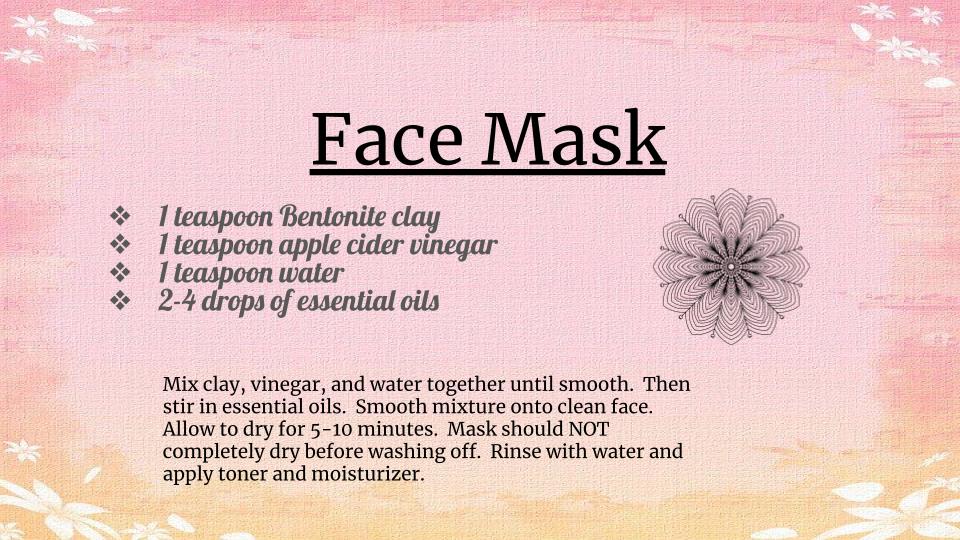
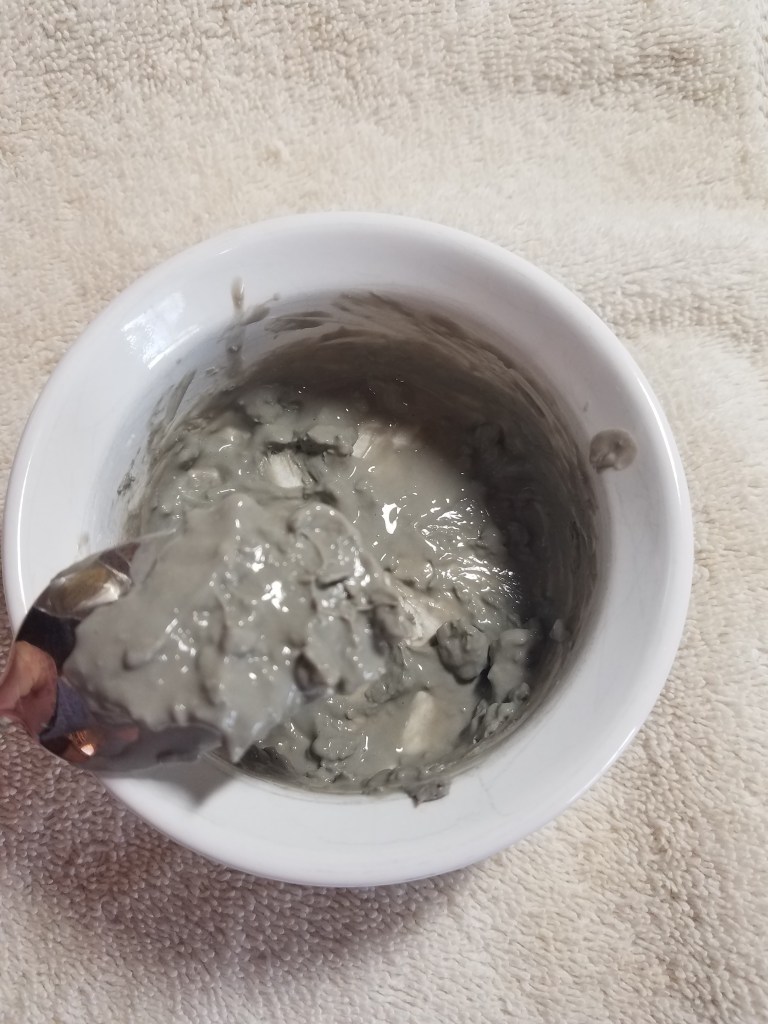
Bentonite clay is composed of volcanic ash sediments that have been weathered over a long period of time. It is the most “potent” of the cosmetic clays, meaning it is the most detoxifying. Because of its alkaline pH, it is recommended to use half apple cider vinegar and half water to create a smoother consistency for the clay mask. Also, our skin’s pH is 5.5 so using a product that is too alkaline may cause redness and a poor skin reaction. Besides facial masks, bentonite clay is used in deodorant, detox baths, and hair masks. It is suggested to use this clay 1 to 2 times per week.
The first recorded deposits of Green Clay were found in France. This clay’s green color comes from decomposed plant matter. Its silky consistency results in a tightening effect on the skin and pores of the face. Use this clay for average to oily skin 1 to 2 times per week.
Rhassoul is a red colored clay from Morocco that has a light and fluffy texture. It is a higher negatively charged clay so it is very good for drawing out blackheads and decreases sebum production. However, Rhassoul clay is still very gentle so it is good for those with sensitive or mature skin. This clay is also good as a hair mask. It is recommended to use 1 to 2 per week as a facial mask.
White/Kaolin Clay has a white and fluffy texture that gently exfoliates. It is perfect for drier and more sensitive skin and can be used daily. White clay absorbs oil well but provides balance to the skin’s natural moisture. This clay is the one most commonly found in mineral makeup.
How to Use Clay for a Facial Mask
- Apply to cleansed skin
- Use fingers or a mask brush to apply
- Spread the mask to 1/8 inch thickness
- Let it dry for 5-10 minutes but remove the mask before it dries
- Follow with a toner and moisturizer
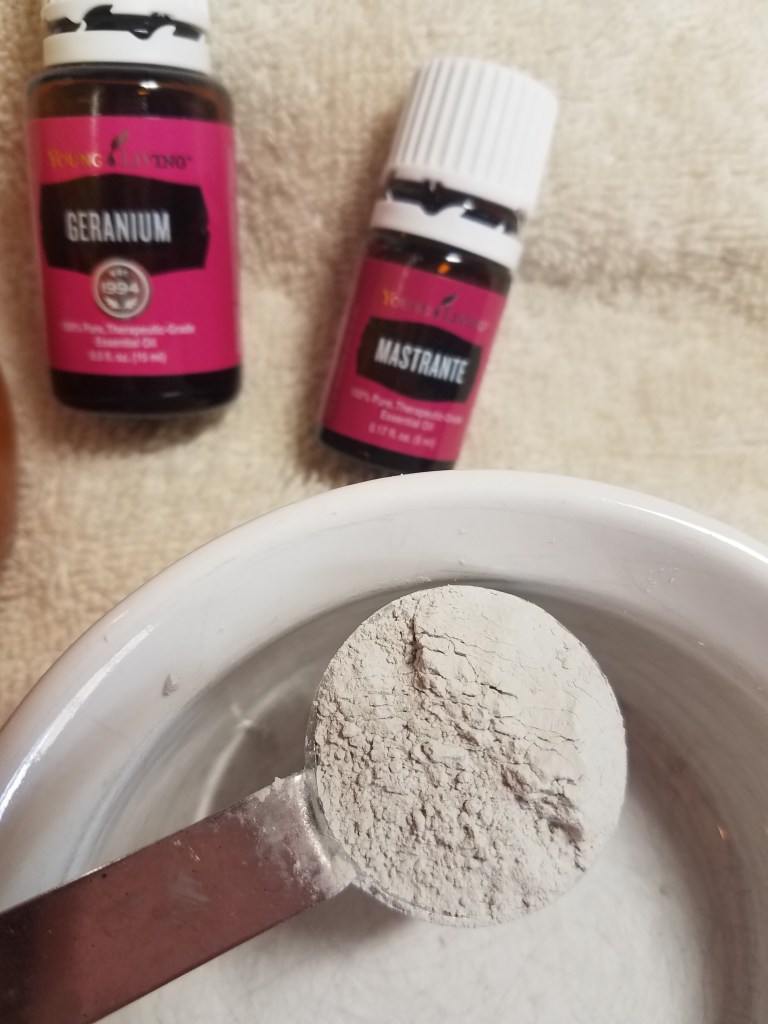
- I love to mix in 2 to 4 drops of essential oils into the clay mask
- Essential oils for skin (so many!): frankincense, patchouli, jasmine, orange, bergamot, lavender, geranium, chamomile, mastrante, sandalwood, tea tree, myrrh, helichrysum, rose, blue tansy, manuka, and the list goes on!
Notes on Apple Cider Vinegar
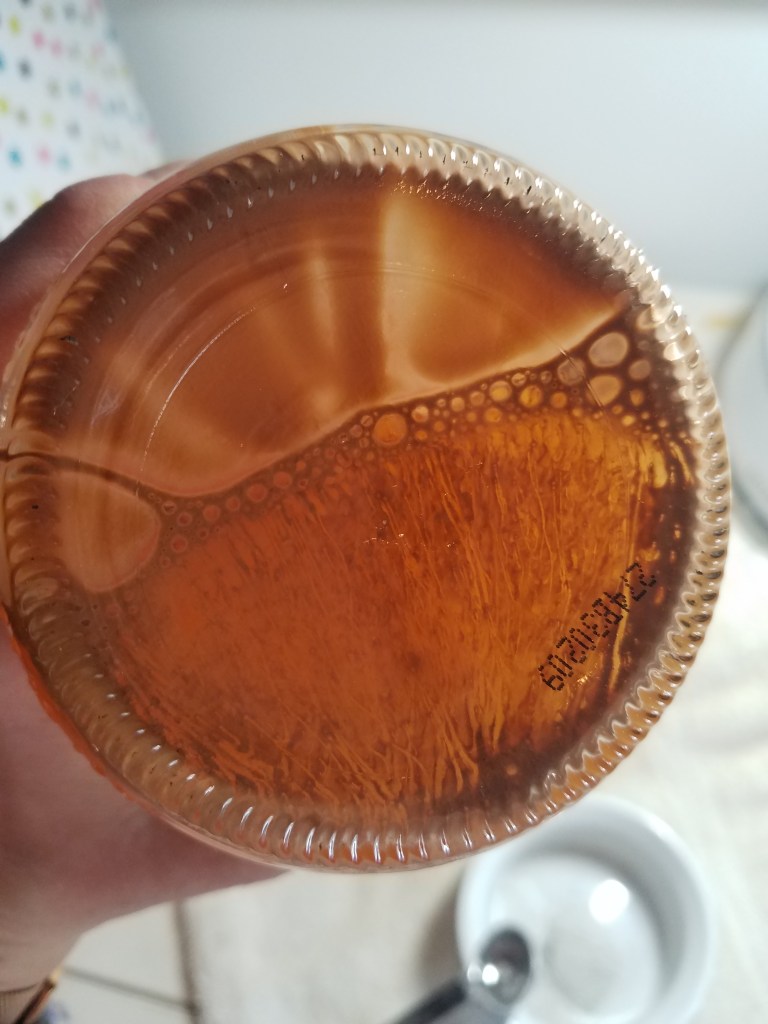
- Use vinegar with “The Mother”
- The Mother contains strands of proteins, enzymes, and bacteria
- ACV has anti-inflammatory properties


 The Pink Lily Pad and Two Tadpoles