Gingerbread is an iconic smell and taste of Christmas time. Its flavor can be found in a wide range of baked goods and is characterized by a mixture of ginger, clove, nutmeg, and cinnamon. With its warm and spicy notes, gingerbread is the equivalent of wrapping yourself up in a quilt made by grandma. Therefore, I fully support gingerbread as a staple of winter beyond the holiday season.
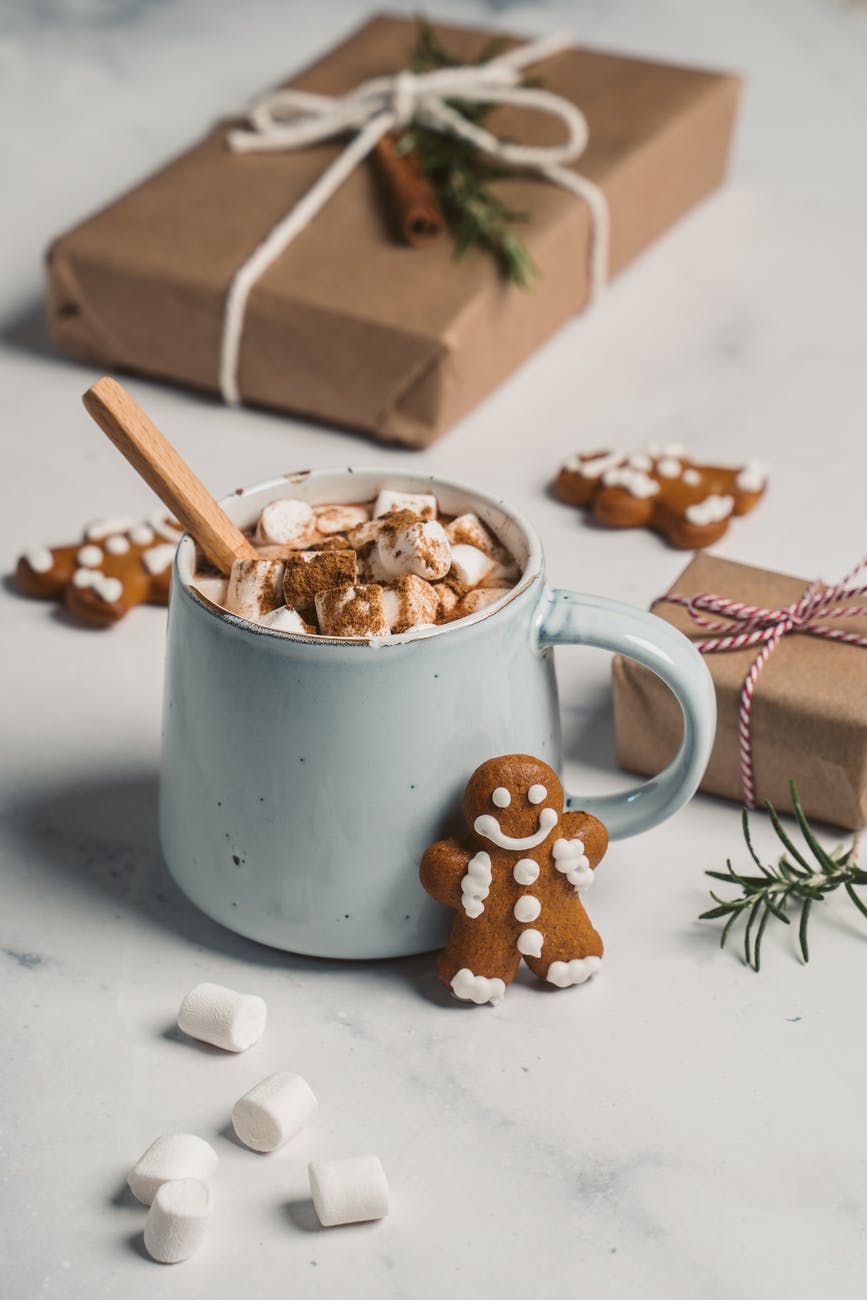
The use of ginger can be traced back to ancient Greeks and Egyptians who used it for ceremonial and medicinal purposes. They all had some version of a recipe for small cakes baked with honey and spices. In 992 AD, an Armenian monk, Gregory of Nicopolis (modern day Greece), introduces the spice to Northern France. It then spread through Western Europe with the return of the Crusaders from the Middle East in the 11th century. Since ginger at first was known to be rare and expensive, it was only used by the wealthy. Eventually the ingredient became affordable for the common folk and that’s when the gingerbread popularity soared.
Early recipes contained ground almonds, stale bread crumbs, rosewater, sugar, and ginger. Mixed together it resembled a paste that was pressed into molds intricately carved out of wood. When put together, they formed a story representing kings, queens, and religious symbols. Decorations were edible gold paint (expensive!) or flat white icing.
Through the 13th and 15th centuries, various gingerbread recipes spread throughout Poland, Germany, England, Sweden, and other European countries. Medieval fairs revolved around gingerbread festivities. At tournaments, ladies gave a piece of gingerbread to their favorite knight for good luck. Swedish nuns baked biscuits with the spice to ease digestion, and England noticed its medicinal properties as well. Nuremburg, Germany saw the establishment of a gingerbread guild to control its production.
Gingerbread became more edible in the 16th century as the bread crumbs were replaced with flour, and eggs and sweeteners were added. Queen Elizabeth I brought the gingerbread man to life as she had them baked for her guests and decorated in their likeness. This popular treat even gained literary fame:
“If I had but one penny in the world, thou shouldst have it to buy gingerbread.”
~William Shakespeare, “Love’s Labour’s Lost”
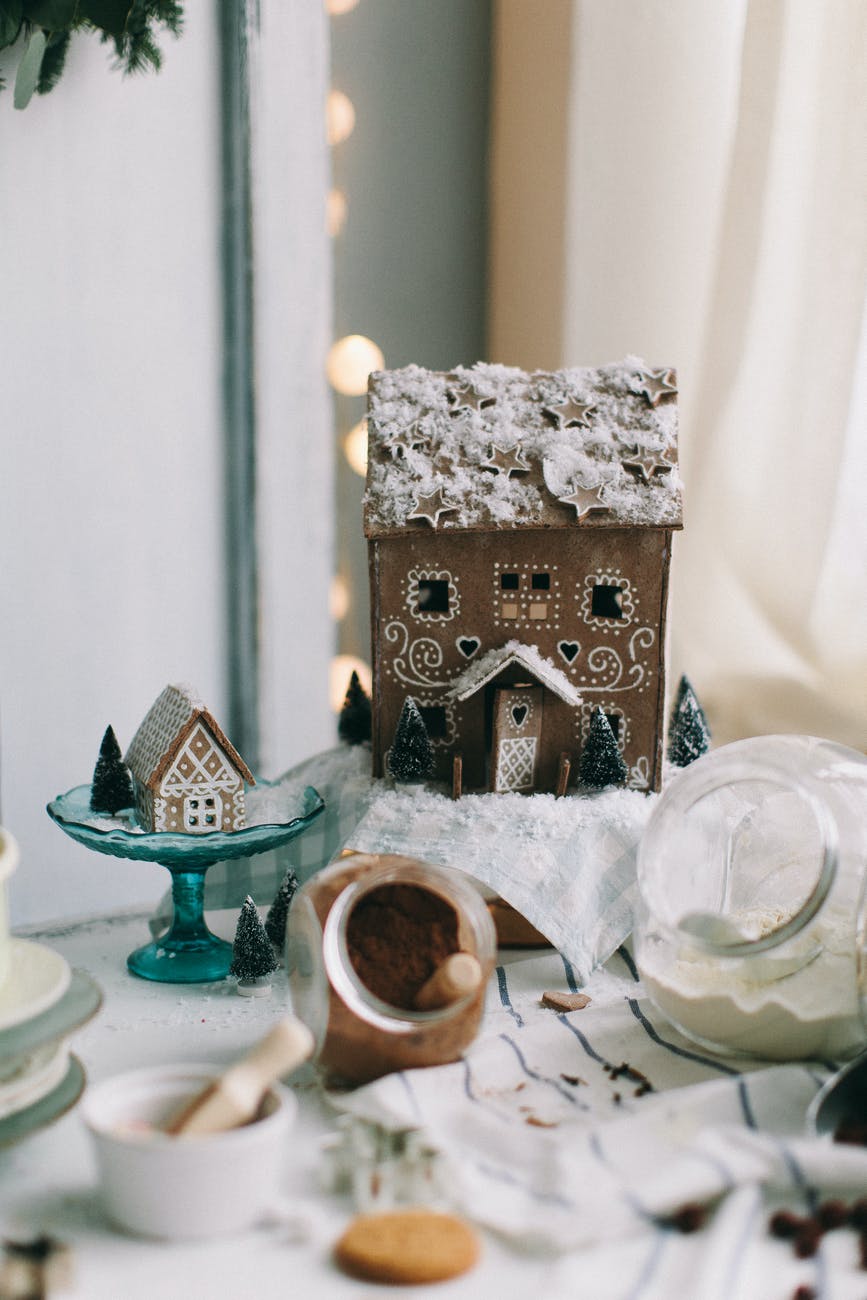
Even the vast Atlantic ocean couldn’t stop the spread of the gingerbread tradition as the recipes made their way to America. George Washington’s mother, Mary Ball Washington, was known to have her own version of this snappy baked good. With the publication of “Hansel and Gretel” in 1812, the Brothers Grimm constructed the gingerbread house.
I created a gingerbread blend with my Young Living Vitality essential oils. With the Vitality line, they are labeled for ingestion and diffusing so I like adding a drop or so to my recipes. Because of the Seed to Seal Commitment and the quality of Young Living’s essential oils, I feel comfortable using my oils in this way. (Before ingesting any essential oils, do your research! Find out if the brand is safe and of high quality and if the oil itself is one that can be taken internally.)
Here is my ratio of oils:
- 4 drops of Ginger Vitality
- 2 drops of Clove Vitality
- 1 drop of Cinnamon Bark Vitality
I made a Gingerbread diffusor bomb–where I combined a larger number of drops using the ratio above into a 5 ml bottle. I filled about 1/3 of the bottle which is about 30 drops. Then I always have it ready to drop into my diffusor or a baking recipe!
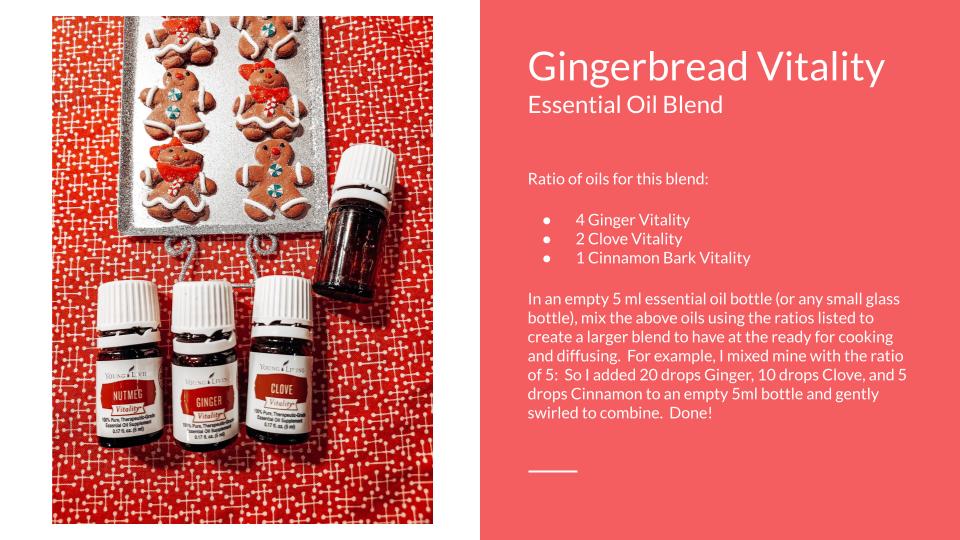
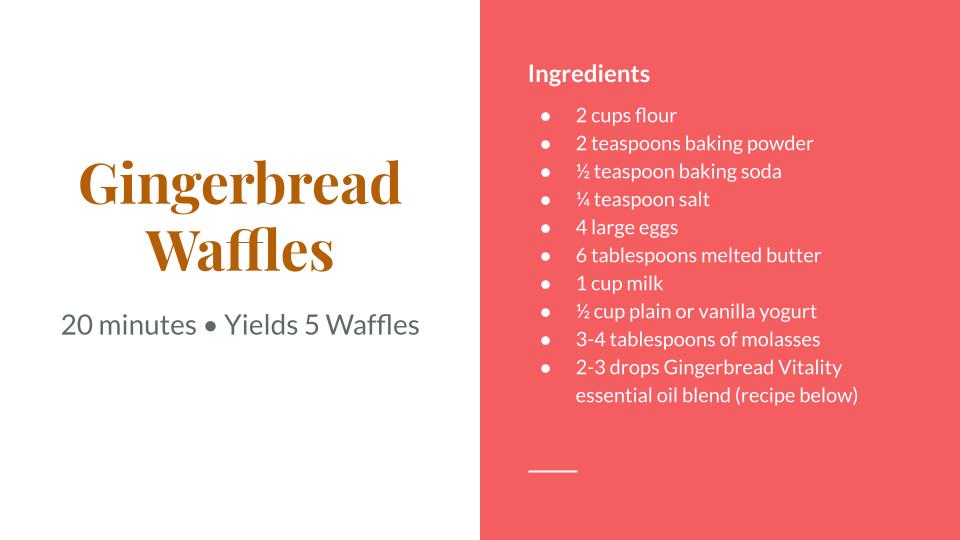
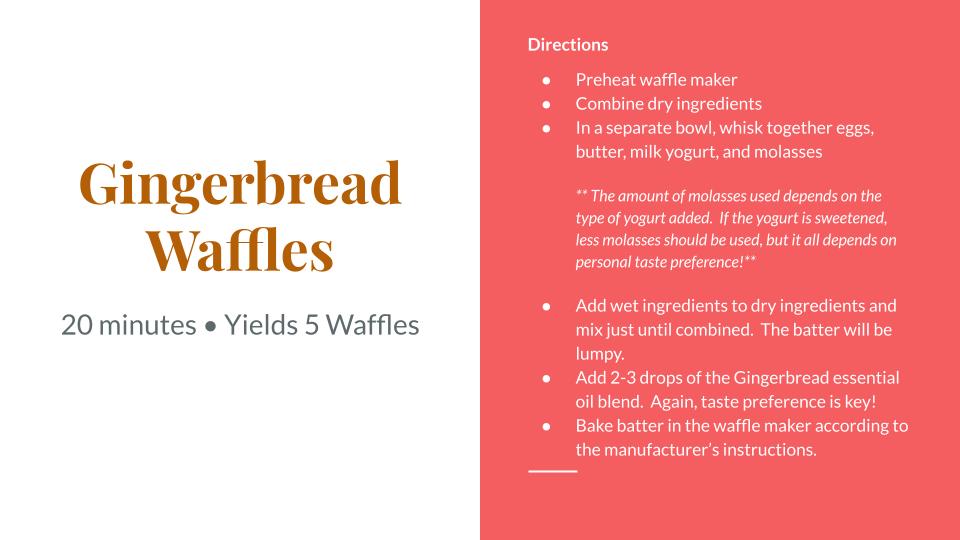
Now that I created my “spice blend,” it was time to bake! I hope you enjoy my recipe for Gingerbread Waffles. Try the Gingerbread Blend in your diffuser too! Add 3 or 4 drops to the diffuser to create a warm and inviting aroma to your living space.

 The Pink Lily Pad and Two Tadpoles