Groundhog Day on February 2nd seems like a comical day in the United States. Did Puxatawny Phil see his shadow?! Is spring right around the corner?! And yet, a burrowing mammal is just one layer of this seemingly simple holiday.

The Celtic traditional feast of Imbolc is celebrated at the beginning of February. It marks the halfway point between the winter solstice and the spring equinox. During the pre-Christian era in the British Isles, Celts welcomed back the light and the sun with cleansing and purification rituals. A besom is placed by the front door to symbolize the sweeping out of the old and the welcoming of the new. Festivals for Imbolc honored the Celtic fire goddess, Brigid. From this day until March 21st, it is the time of the Maiden, as she prepares for a season of growth and renewal. Brigid is associated with fertility, poetry, smithcraft, healing, and tending livestock.

The name Imbolc can be translated into “in the belly.” Livestock breeding season begins, and the focal point of the celebrations are ewes who have given birth to the first offspring of the year. As the seeds in the ground are beginning to stir in the womb of the earth, the farmers are preparing to return to work after their more restful period during the colder month.
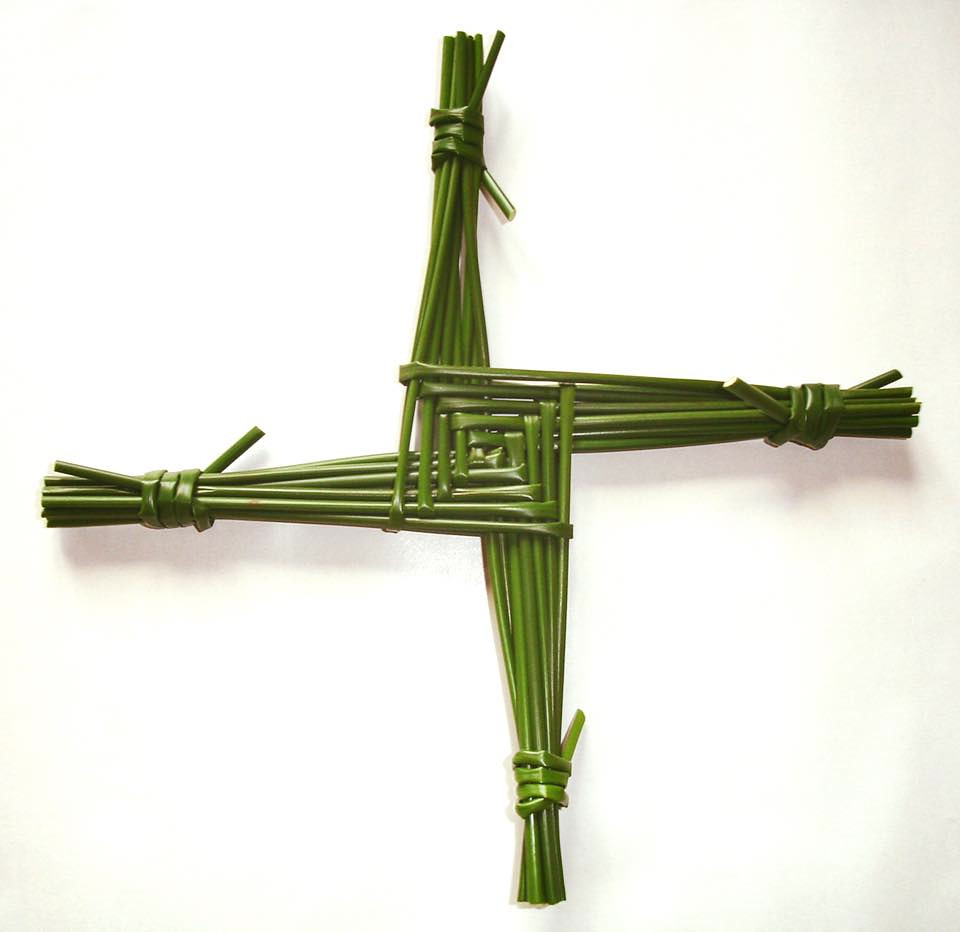
With the conversion of pagans to Christianity, a feast day for St. Bridget was established in the 5th century on February 1st as she is remembered as one of the leaders who brought this new religion to Ireland. Related in similar concepts to her pagan counterpart, St. Bridget is the patron saint of Irish nuns, newborns, midwives, dairy maids, and cattle. St. Bridget’s Cross is a transitional symbol from paganism to Christianity as this cross shape is similar to that found in Celtic tradition.
As Christianity moved through Europe, Imbolc evolved into Candlemas, a feast day where Jesus was presented in the temple for the first time and Mary completed her purification ritual after giving birth. Candlemas still incorporates the celebration of light as the Liturgical candles for the upcoming year are poured and blessed.
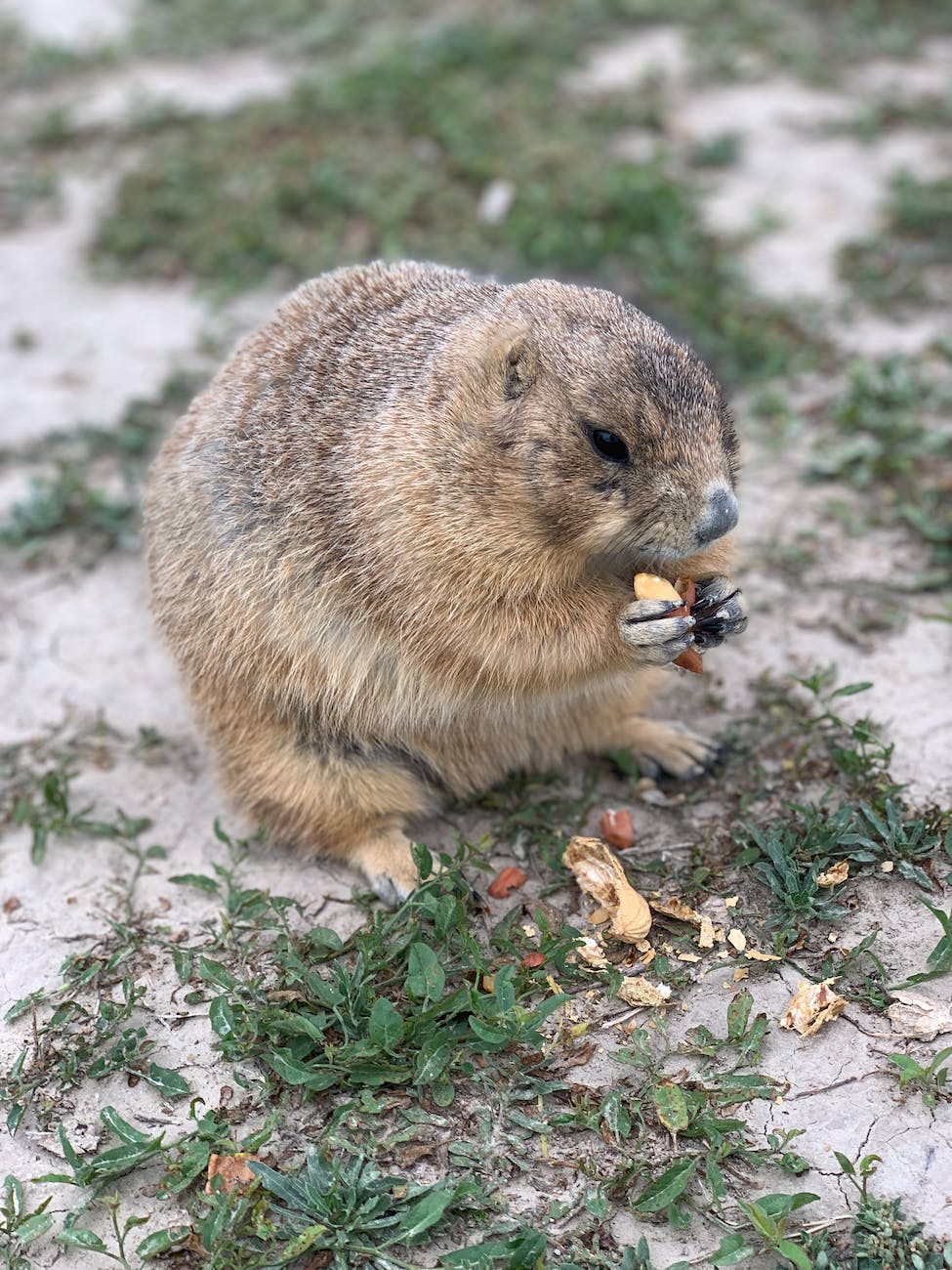
So how does the member of the marmot family fit into all these celebrations? Let’s return to old Ireland and Scotland….
On Imbolc, the Celtic crone, Cailleach, would hope for a fair-weather day to collect her firewood for the rest of winter. If the sky was blue and sunny, Cailleach could gather the wood in preparation for 6 more weeks of winter. If the weather was horrible, she would be prevented from collecting her fuel to keep her warm. Missing her chance to gather wood meant winter would soon be over.
Germans transitioned this yearly weather omen into badgers and other small animals as future-tellers by observing if the mammals’ shadows were visible or not. They brought this tradition with them when they settled in Pennsylvania in the New World and adopted the groundhog as their weather mascot on February 2nd.
Distinctive Attributes to Imbolc
Representation: purity, growth, renewal
Symbols: brideo’gas (corn dollies), besoms, white flowers, candle wheels, Bridget’s Crosses, and ploughs
Colors: white, pink, red, yellow, light green, brown
Herbs: angelica, basil, bay laurel, blackberry, celandine, coltsfoot, heather, iris, myrrh, tansy, violets
Foods: poppy seed cakes, muffins, scones, breads, dairy products, peppers, onions, garlic, raisins, spiced wines, herbal teas
Incense: basil, bay, wisteria, cinnamon, violet, vanilla, myrrh
Stones: amethyst, bloodstone, garnet, ruby, onyx, turquoise



 The Pink Lily Pad and Two Tadpoles