Cortisol is a hormone released by the adrenal glands during times of physical or psychological stress. This was helpful for our ancestors when trying to recover from outrunning a saber tooth tiger. They ran, they survived, and then they rested because a recovery time is necessary to help the cortisol levels return to normal.
Stress in everyday life today increases cortisol levels just like it did with our ancestors. However, many of us live in a constant state of stress in modern society with no time for those little adrenal glands to rest and recover. Cortisol is constantly being pumped into our bodies. A “Chronic Stress Response” results when our bodies are exposed to cortisol for too long. This leads to more anxiety, depression, fatigue, inflammation, weight gain, increase in blood pressure, decreased immune response, and a higher risk of diabetes and heart disease.

We must remember that many times stress is a choice. We may not be able to change our situations, but we can change our responses to them. Not everything is an emergency!
Let me explain.
For example, I recently dashed out the door to get my walk in for the day. (Already you can see how my thoughts are worded!) My mind was racing with the chores I needed to complete still that day although I ran several loads of laundry and grocery shopped. I was teaching an essential oils class that evening at a local library, so I had been prepping for that event too. And what should I make for dinner? And it would have to be ready earlier because my husband was driving my younger daughter to her soccer scrimmage. And wow, did I really need to vacuum because the dog hair is out of control. And the fish tank water should be changed because it was turning green.
Wait–I thought walks were supposed to help reduce stress? And that’s where stress becomes a choice. None of these tasks needs an adrenal-gland-cortisol-releasing response.
Taking my daughter to the emergency room because she had been vomiting for 3 days? Now that’s a different story. That’s when my adrenals should be working.
**Special note to my female friends in their forties: In women, estrogen helps regulate the elevated cortisol. Unfortunately, the perimenopausal stage sees a decrease in estrogen levels. Our natural way of fending off cortisol is hindered, so we must be extra diligent about how we allow stress to affect our daily lives!
One of the easiest ways to create a more peaceful environment and hopefully in turn create more calming thoughts throughout the day is to diffuse! I will always be diffusing essential oils while at home. The sense of smell is the only sense that goes directly to the part of the brain that processes emotions, known at the Limbic System.
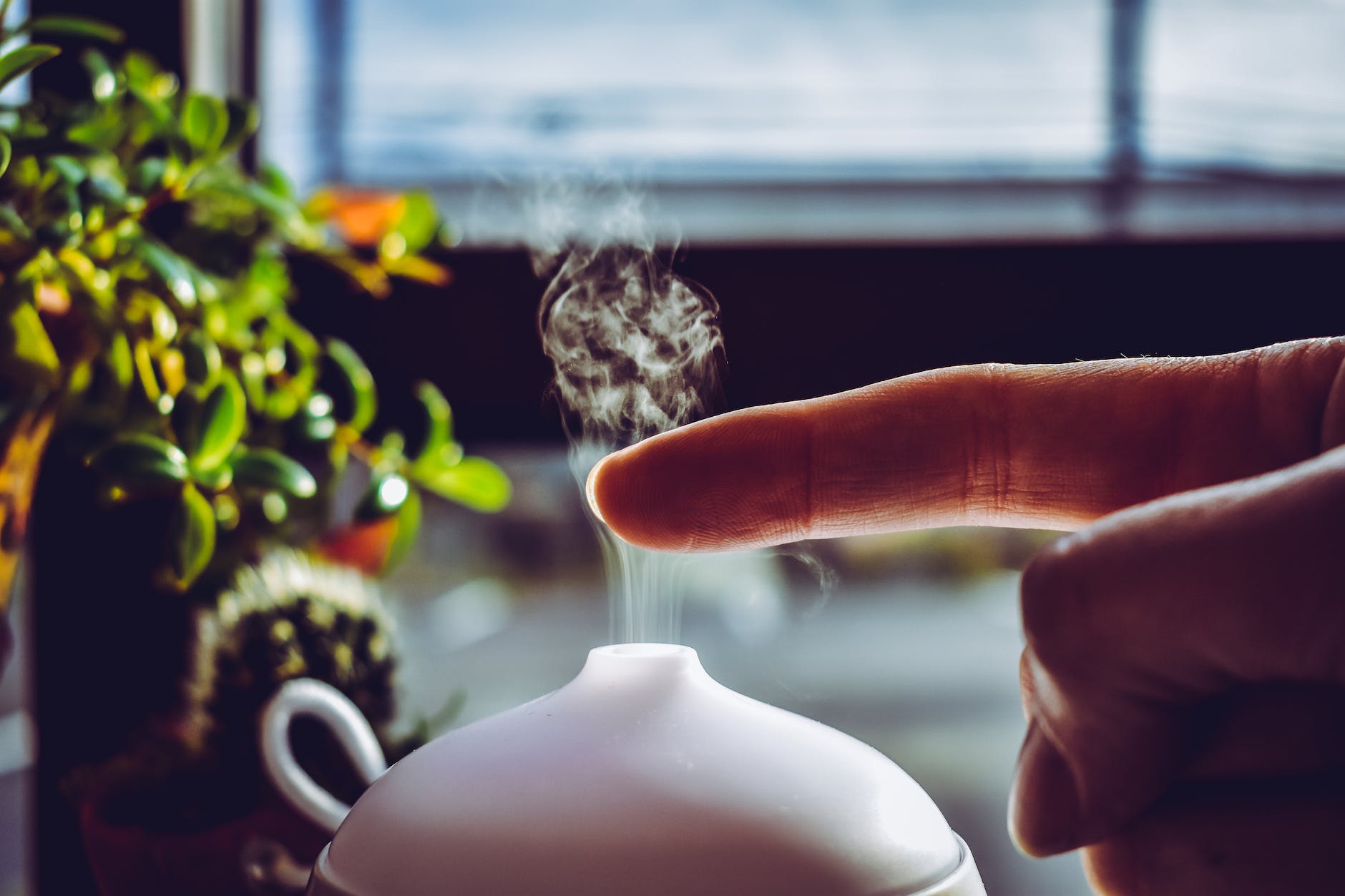
“Because the limbic system is directly connected to those parts of the brain that control heart rate, blood pressure, breathing, memory, stress levels, and hormone balance, essential oils can have profound physiological and psychological effects… Olfactory responses to odors induce the brain to stimulate the release of hormones and neurochemicals that in turn alter the body’s physiology and behavior.”
Essential Oil Desk Reference, 4th Edition
Some of my favorite oils to diffuse to reduce stress are:
- Frankincense
- Lavender
- Black Spruce
- Cedarwood
- Bergamot
- Vanilla
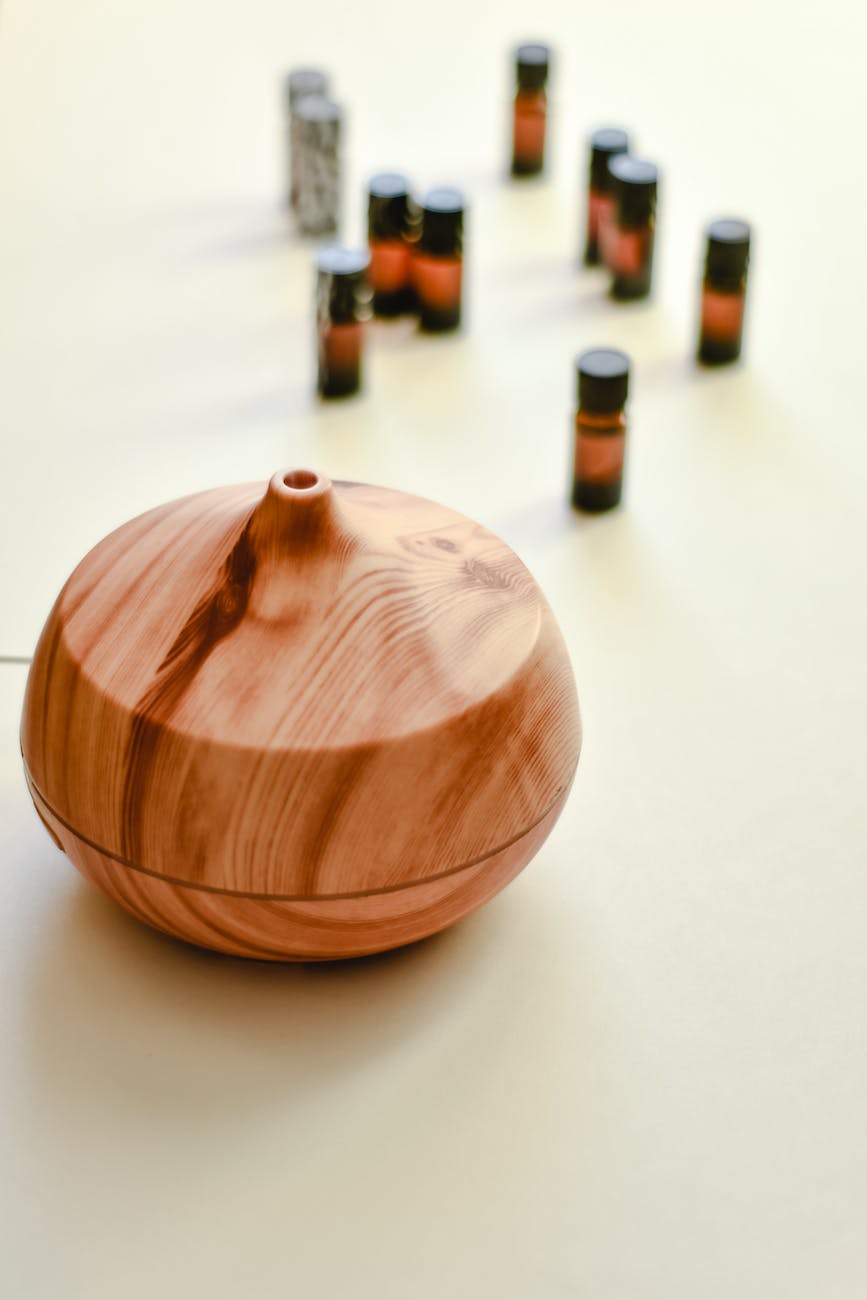
There are so many more available to diffuse as well! I encourage you to fill your diffuser and find your favorites. There are even car diffusers so you can take your oils with you on your drives. If you are able, keep a small diffuser at your desk at work. Kids love having their own in their bedrooms too. Everyone in the family can benefit from diffusing!


 The Pink Lily Pad and Two Tadpoles