Do you struggle with sleep? Do you answer “yes” to any of the following?
- Difficulty falling asleep?
- Difficulty staying asleep?
- Waking feeling unrefreshed in the morning?
- Feeling the need to nap during the day?
- Deal with racing thoughts at night?
I have both my hands raised and waving in the air!

Fifty million to 70 million people in the United States have ongoing sleep issues. To put that into perspective, that’s 15-21% of the population. One in three adults do not regularly get the recommended amount of uninterrupted sleep they need for optimal health.
How about our children? Fifty-eight percent of middle schoolers and 72.7% of high school students get less than the recommended amount of sleep for their age.
Women are 40% more likely to have insomnia than men. The fluctuating hormones for women during particular seasons of life can affect sleep.
Sleep is a critical component in maintaining our homeostasis. By self-regulating its systems, our body maintains its natural stability, or homeostasis. Sleep supports the cardiovascular system, the immune system, balances hormones, assists with weight management, improves mood, and supports proper growth and development.
Side note here: The Sandman Folklore
Ever hear the saying, “The Sandman is coming?” The Sandman belongs to stories of old from Scandinavia. He is known to sprinkle sand or dust into the eyes of children to help them fall asleep and have good dreams. Grit in the corners of the eyes upon wakening is said to have been left behind after a Sandman’s visit the night before.
While we may not be able to call the Sandman to pay us a visit, there are ways to help us find some peaceful rest.
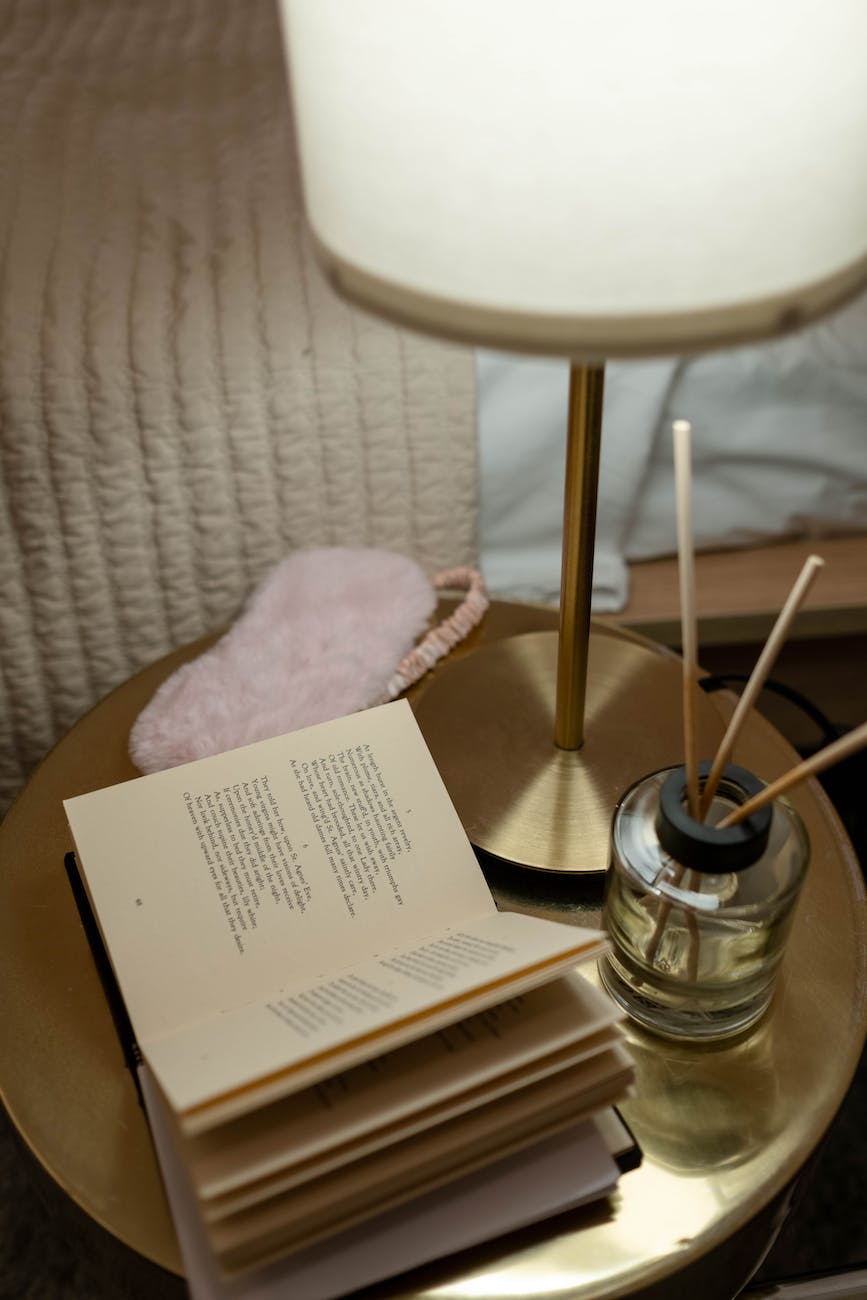
- Have the same wake up time and bedtime every day, including weekends. This keeps your body clock’s sleep-wake rhythm intact.
- Establish quiet time 1 hour before bed. This includes limiting eliminating the use of electronic devices. These emit “blue light” which prevents the natural production of melatonin, our sleep hormone.
- Avoid caffeine, nicotine, and alcohol before bed. All will disrupt your sleep cycle.
- Try relaxing with a hot bath, meditation, or gentle stretching
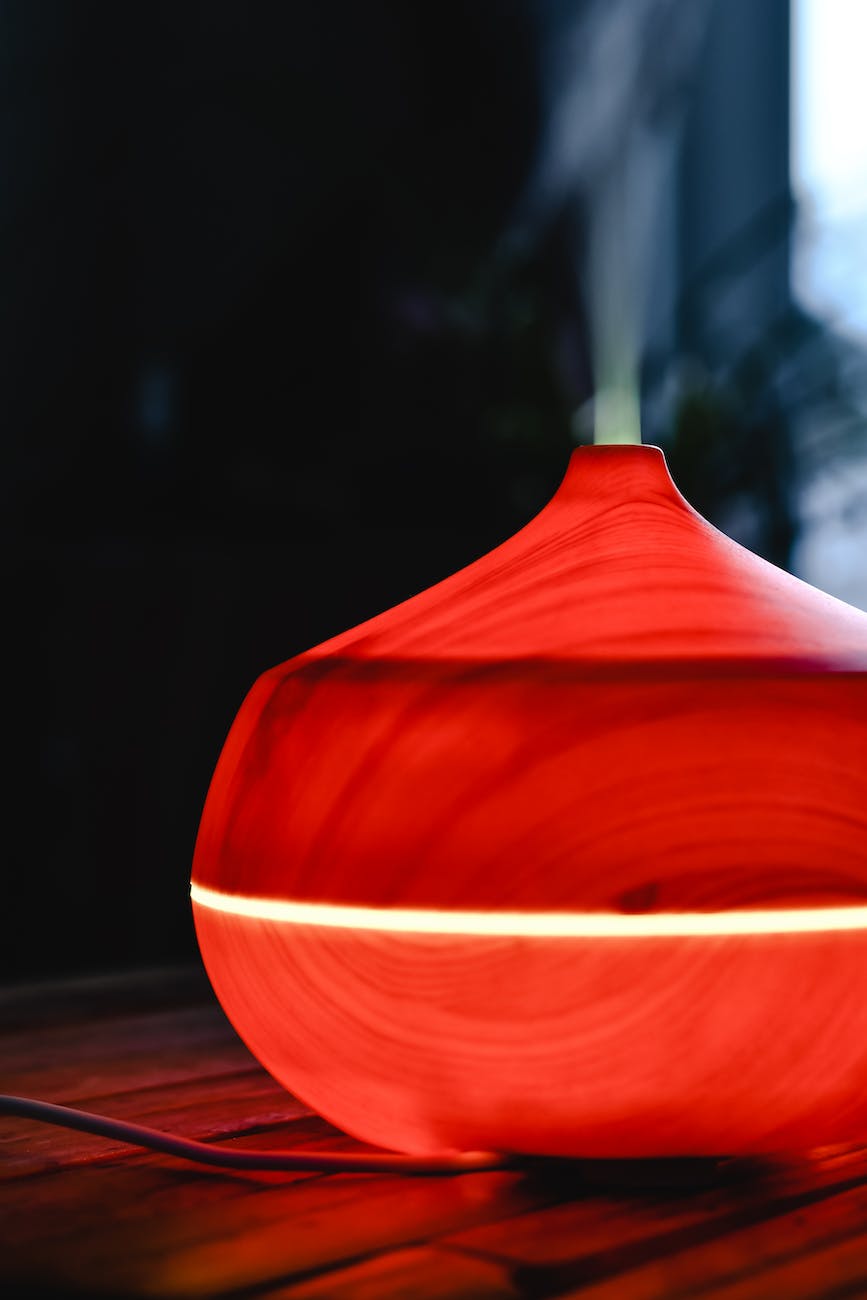
- Diffuse essential oils like lavender and cedarwood. Smells can signal the brain that it’s time to relax.
- Keep your bedroom cool, quiet, and dark. Maintain the temperature between 60 and 67 degrees.
- A comfortable mattress, cozy blankets, and supportive pillow are great for sleep.
- Try soft noise in the background like a fan or a white noise machine.
The National Sleep Foundation and The National Heart, Lung, and Blood Institute were referenced for this post.

 The Pink Lily Pad and Two Tadpoles
2 thoughts on “Sleep Struggles”