When I hear root beer, I immediately think of the dark, sugary carbonated beverage. I admit my taste buds do enjoy occasionally this modern-day soda and recall even the rarer indulgence of adding in a scoop of creamy vanilla ice cream! This is truly an American icon of a beverage although it has come a far distance from its original concoction.

In pre-colonial times, Native North Americans brewed “root beer” as a medicinal tea using sassafras roots of the tree, Sassafras albidum. This root is responsible for the flavor associated with root beer. Americans then, in the 19th century, began brewing their version at home using various herbs, barks, and roots. Charles Hines introduced the first “commercial” version at the Philadelphia Centennial Exposition in the late 1800s. His beverage was made from sassafras, wintergreen, anise, and vanilla, which he later developed as a root beer concentrate to be sold in stores. Soda fountains were established in drug stores in an era gone by. Pharmacists created drinks by mixing flavored syrups with carbonated water, and they were known to be nourishing to the body.
My homemade root beer veers towards the original brew from the roots of herbs with the intention of providing support to the body. This is a type of tonic, a drink that is meant to be used daily and long term to strengthen, tone, and nourish the body and its internal systems. Tonics can be considered “preventive medicine.”
This homemade root beer contains the benefits of 6 health supporting roots. Of course, it tastes a bit different from the canned variety sold at grocery stores today. But I think that is the point, as those soft drinks take away, rather than contribute, to our health!

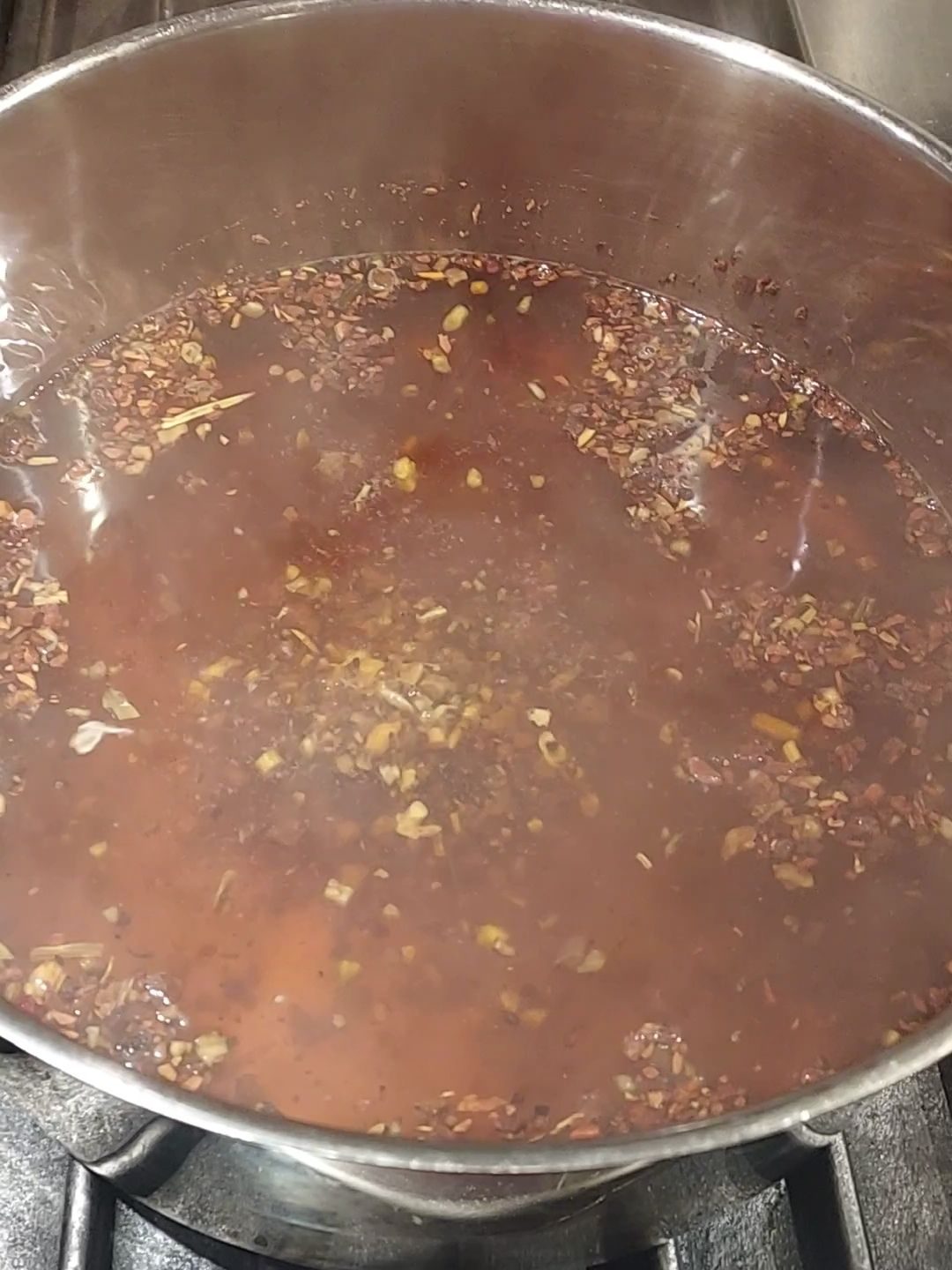
Because the roots of the herbs are used in making root beer, they need to be exposed to hot water for a longer period of time compared to making “tea” from the leaves and flowers. This is called a “decoction.” You decoct, or simmer, the “tougher” herbal parts, such as the roots and the bark, for a longer time frame in order to extract their flavors and health components.
Recipe
- 2 TBSP sassafras root
- 1 TBSP sarsaparilla root
- 1 TBSP burdock root
- 1 TBSP dandelion root
- 1 TBSP licorice root
- 1 TBSP astragalus root
- 1 cup brown sugar
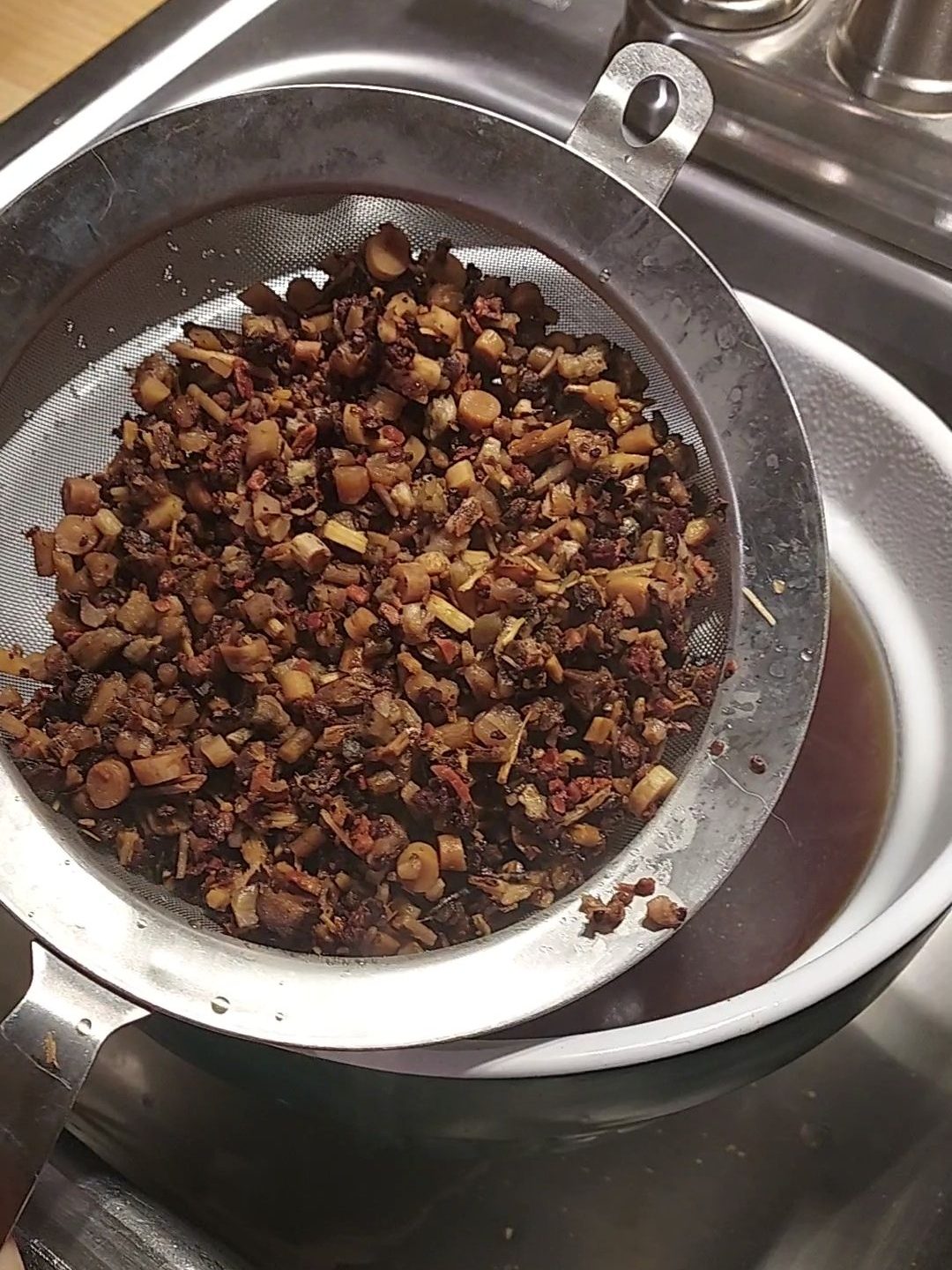
Combine the roots with two quarts of water in a pot and bring to a boil. Simmer the mixture for 20 minutes. Allow to cool slightly and strain out the herbs. Add the 1 cup of brown sugar and stir until it dissolves.
To serve, I use the ratio of 1/3 root beer concentrate, 1/3 ice, and 1/3 carbonated water combined in a glass. This does make a large batch, so I usually freeze half of it for another time.
Benefits
Sassafras: high in antioxidants, digestive aid, anti-inflammatory
Sarsaparilla: blood purifier, cleanses the liver and gallbladder, balances the hormones, skin conditions
Burdock: improves sluggish blood, balances the skin and kidneys, boosts energy, boosts sluggish circulation
Dandelion: digestive bitter, rejuvenates the body, stimulates the liver
Licorice: supports the endocrine system, adrenal fatigue, acute immune and respiratory support **
Astragalus: Immune support, energizes, balances the body, support circulation, supports blood sugar metabolism
** To learn more about licorice for respiratory and immune system support, check out:
https://thepinklilypadandtwotadpoles.com/2022/04/24/throat-soothing-tea/
https://thepinklilypadandtwotadpoles.com/2020/02/03/throat-spray/

 The Pink Lily Pad and Two Tadpoles